Skip to content

Etobicoke · Toronto

Basement waterproofing in Etobicoke

We find where the water gets into your basement and fix that point: interior and exterior waterproofing, crack injection, sump pumps, backwater valves and weeping tile.

  • Free assessment at your house
  • Scope of work and price in writing before anything is booked
  • Help with the City of Toronto flood protection subsidy
  • Open 24 hours a day, 7 days a week
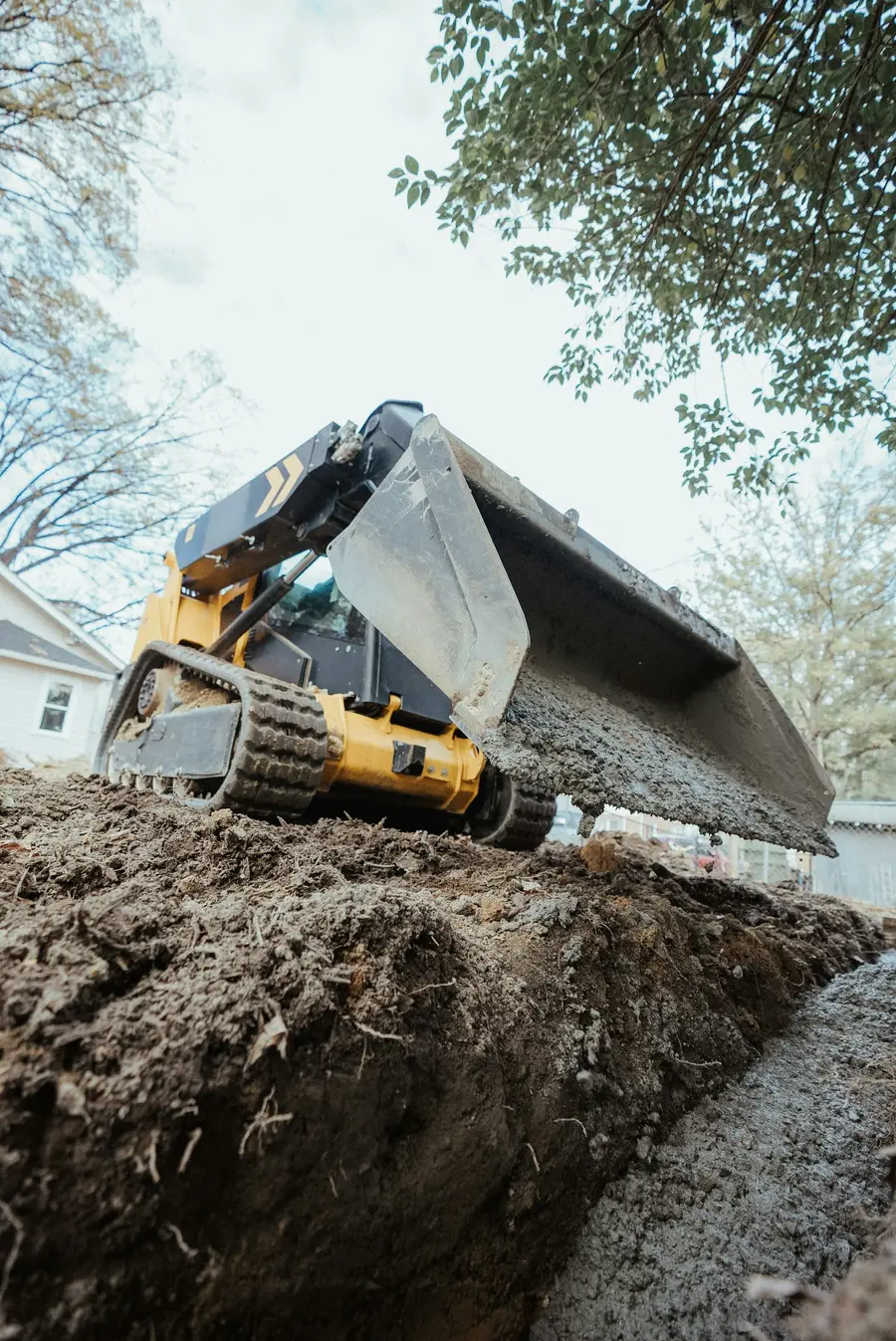
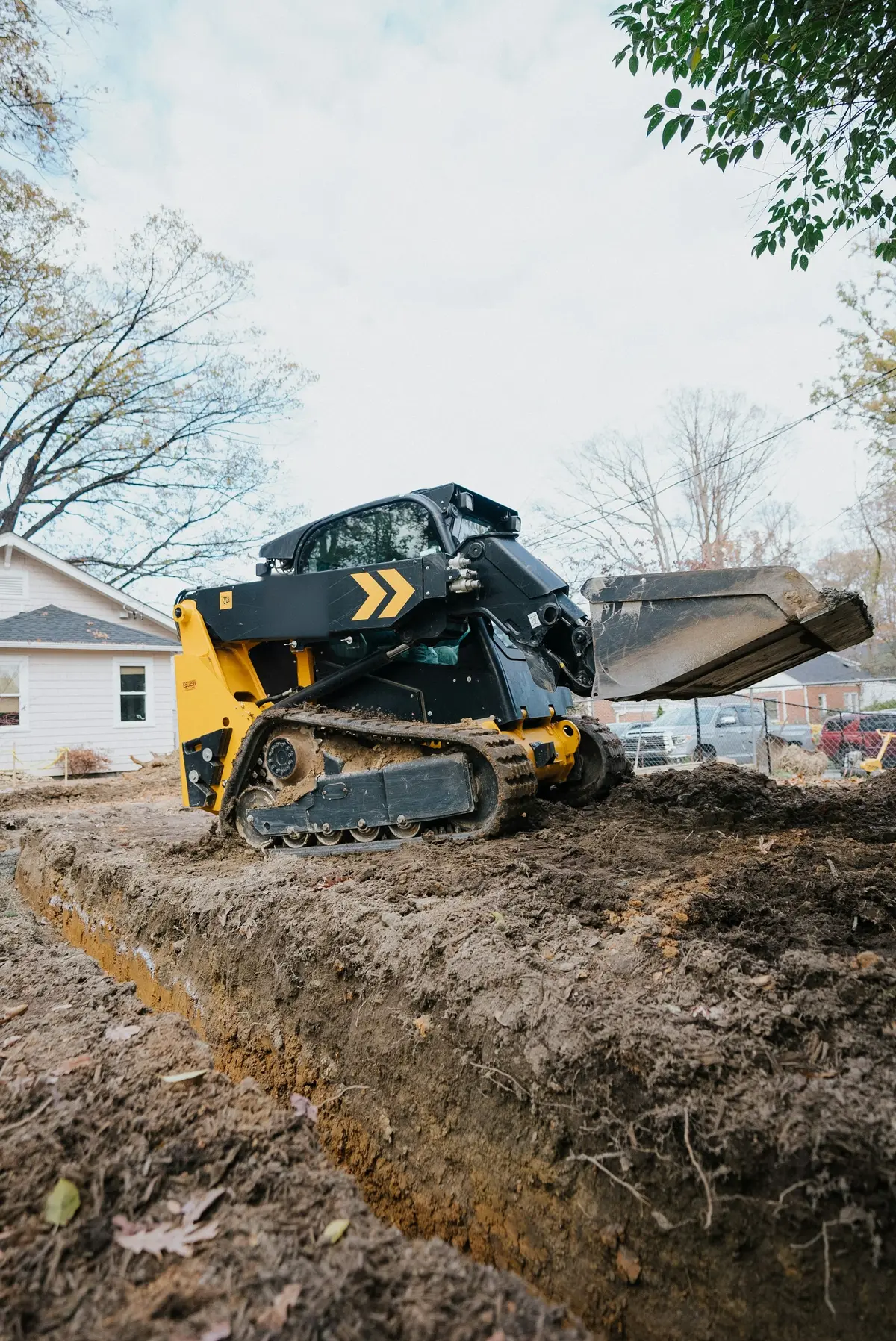
Compact track loader digging a trench along a house in a residential backyard
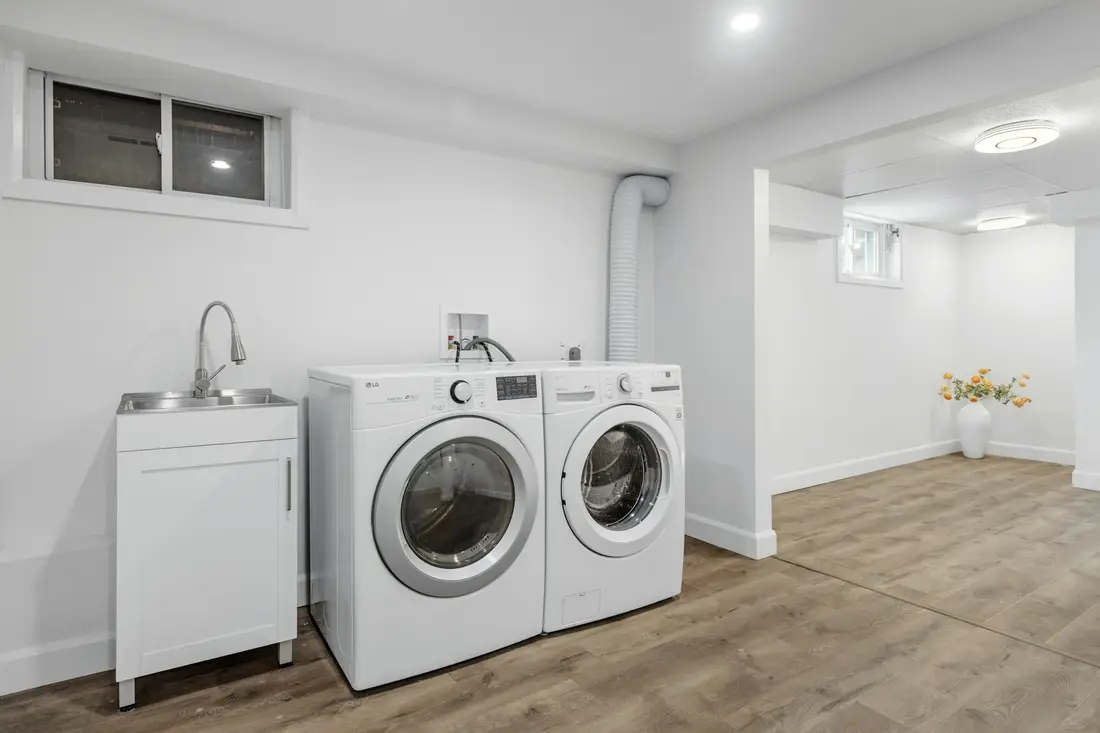
Bright finished basement laundry room with white walls and a dry vinyl plank floor
The goal: a basement you can finish
Six repairs, one assessment
  • Assessment firstWalls, floor, grading and downspouts are checked before any repair is named.
  • Written scope and priceYou see what will be done, with what materials, and the cost.
  • City subsidyToronto pays back part of a backwater valve and a sump pump.
  • Etobicoke housesPost-war bungalows, brick two-storeys and lakeshore homes.

Find your leak

Six places water gets into a basement

Each one has a different repair. Select the number that matches what you see.

BasementCity sewerWindow wellSaturated soil123456
1

The whole wall is damp

What you see
Damp patches, white powder or peeling paint along one full side of the basement.
Why it happens
The soil outside is saturated — often because a downspout empties beside the wall or the old weeping tile is clogged — and water is soaking through the concrete or block.

The repair: Exterior waterproofing
2

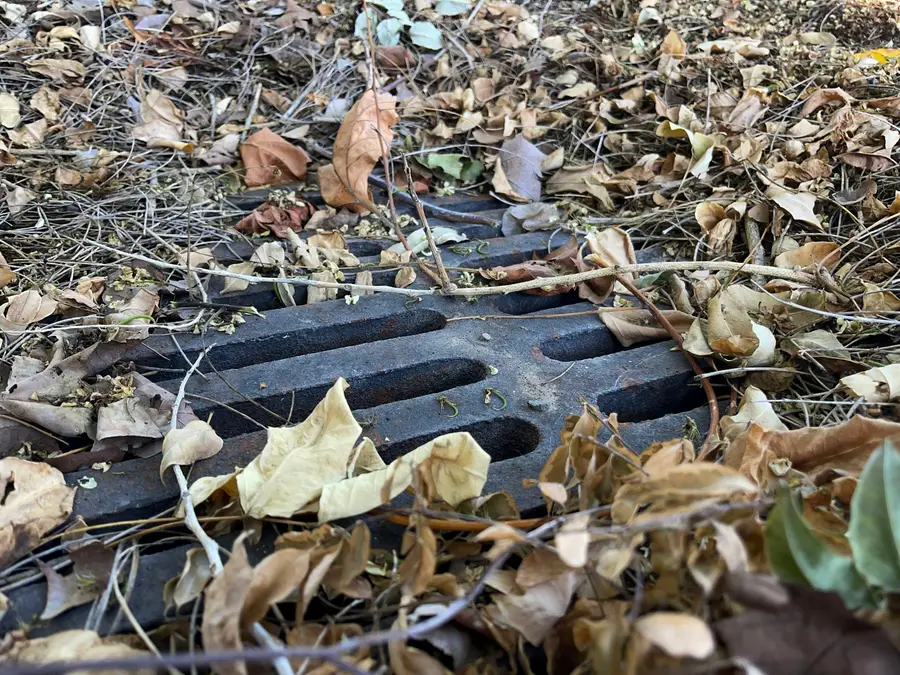
Water at a basement window

What you see
Water marks below a window, or a window well that fills up in rain.
Why it happens
The well has no drain, or its drain is blocked with leaves and soil, so it fills like a bucket and overflows through the window frame.
The repair: Window well drain
3

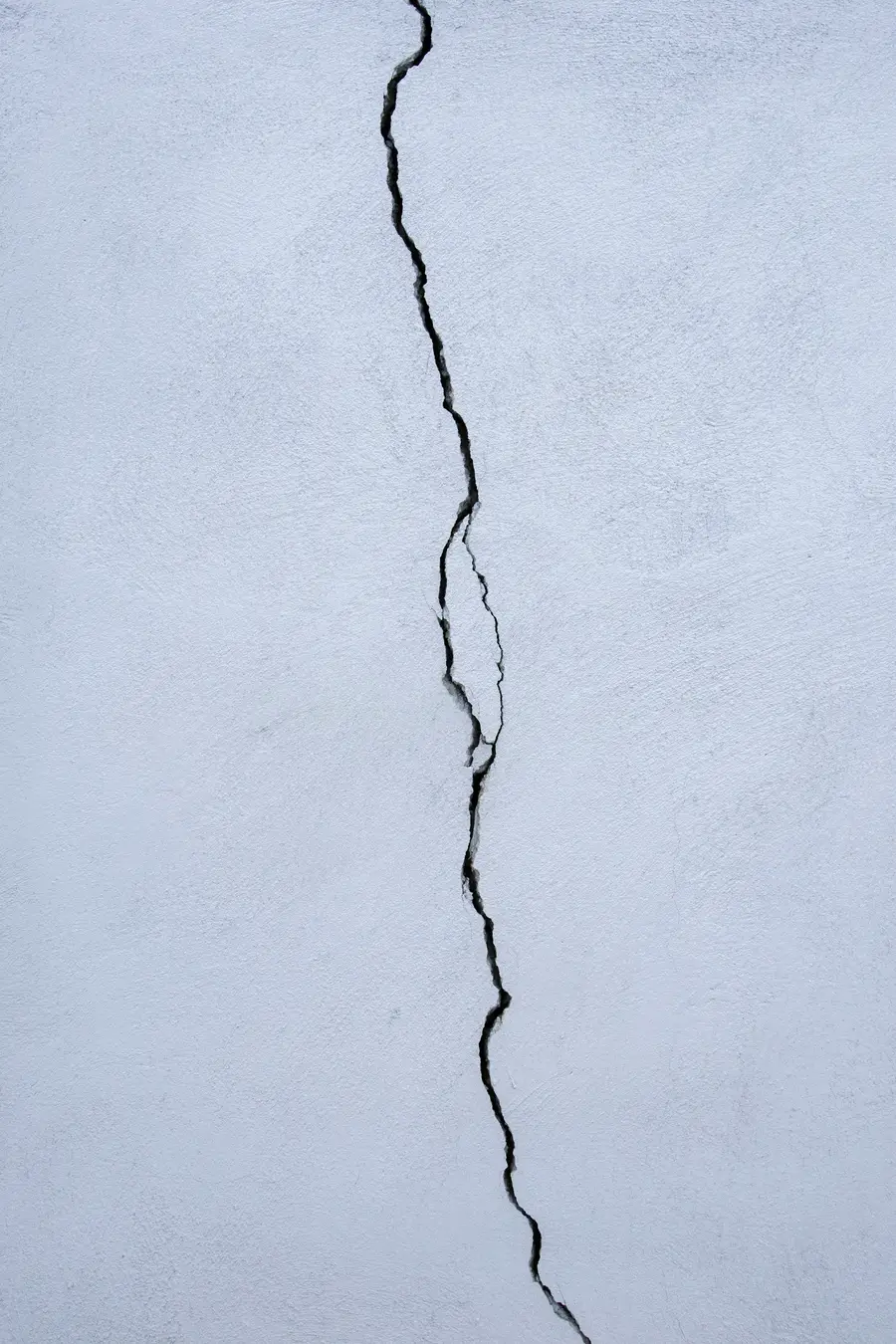
One wet line on the wall

What you see
A vertical or diagonal crack that darkens or drips when it rains.
Why it happens
Poured concrete shrinks as it cures and cracks. The crack runs through the full thickness of the wall, so it gives water a direct path in.
The repair: Crack injection
4

Water where the wall meets the floor

What you see
A wet strip or puddles along the base of the wall after heavy rain or a thaw.
Why it happens
The floor slab and the wall are separate pours with a joint between them. When water builds up beside the footing, that joint is where it enters.
The repair: Interior drainage system
5

Water rising through the slab

What you see
Damp spots or water in the middle of the floor, often through hairline floor cracks.
Why it happens
The water table under the house has risen above the underside of the slab. The water is pushed up from below, not in from the side.
The repair: Sump pump
6

Water coming out of the floor drain

What you see
Dirty water from the floor drain, shower or basement toilet during a storm.
Why it happens
The city sewer is overloaded and is flowing backwards into the pipe that serves your house.
The repair: Backwater valve

Inside or outside

The two main systems, compared

Both dry out a basement. They work from opposite sides of the wall.

Wall membraneNew concrete over the drainPipe in clear stoneDischarge lineSump pit and pump

Interior waterproofing

A strip of floor is cut along the wall, a perforated pipe is laid in clear stone beside the footing, a membrane on the wall guides seepage down to the pipe, and the pipe runs to a sump pump.

  • Best forWater at the floor-wall joint; walls blocked outside by a driveway, deck or neighbour
  • DisruptionInside only — the yard is not touched
  • SeasonAny time of year
  • Needs a pumpYes
Interior waterproofing in detail

The result

A dry basement is usable floor space

Once the water is dealt with, the basement can be insulated, framed and finished without the work being ruined a year later.

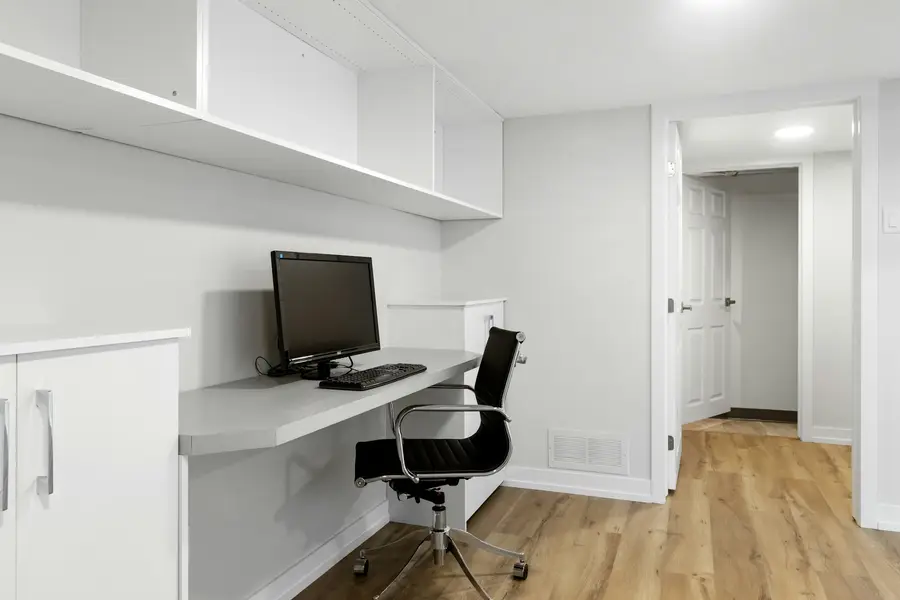
Finished basement home office with built-in white shelving, a desk and light wood floor
Home office
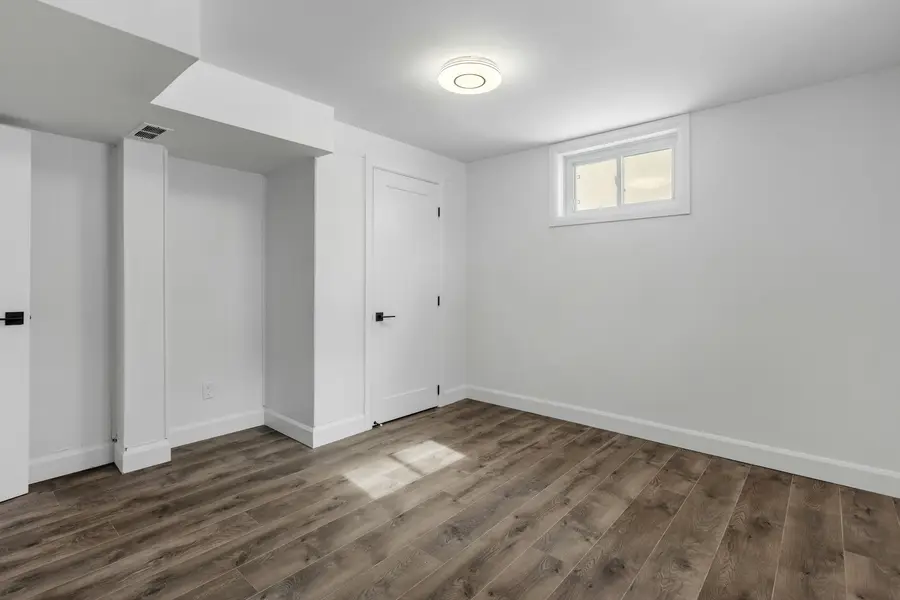
Empty finished basement room with white walls, a small window and wood-look flooring
Spare room
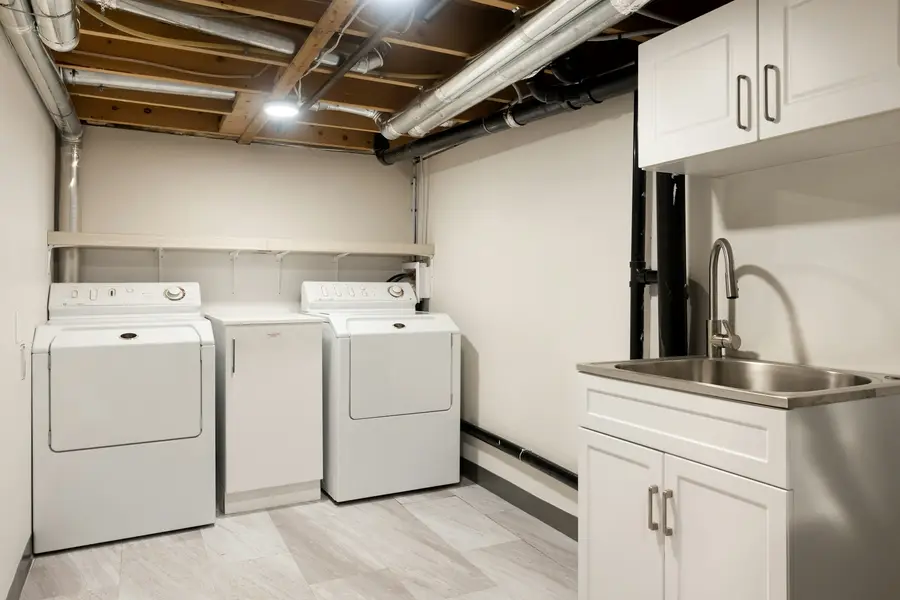
Basement laundry area with white cabinets, a steel sink and three appliances
Laundry

How it works

Four steps from first call to dry basement

  1. Assessment

    We visit, check inside and outside, and tell you where the water is getting in.

  2. Written quote

    You receive the scope of work, the materials and the price in writing.

  3. The work

    The crew protects floors and landscaping, completes the repair and cleans up.

  4. Test and paperwork

    The repair is tested with water, and you get the invoice the City needs for the subsidy.

See each step in detail

Humber Bay Arch Bridge over the mouth of the Humber River with condo towers behind it
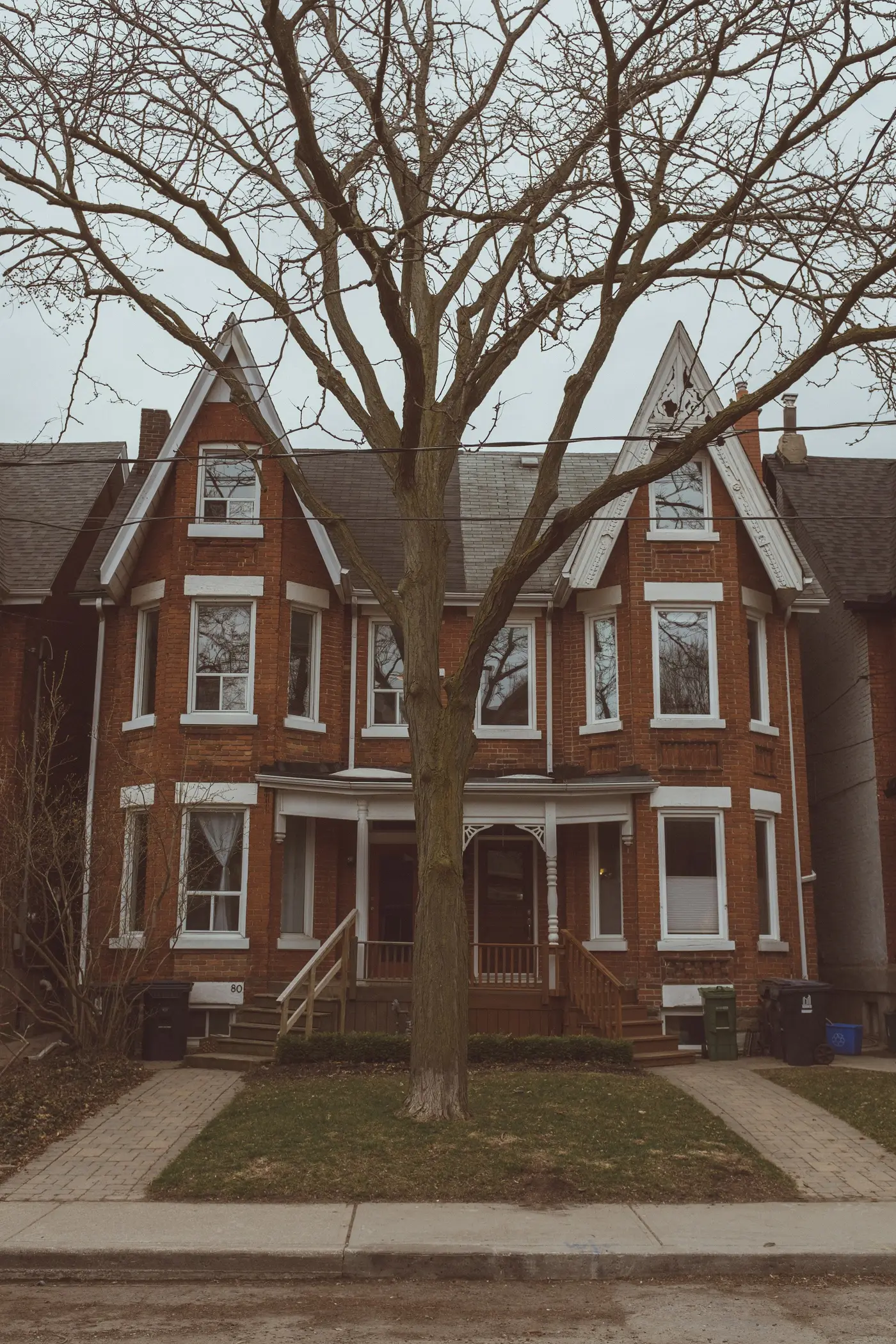
Row of red brick houses with steep gables behind a bare street tree
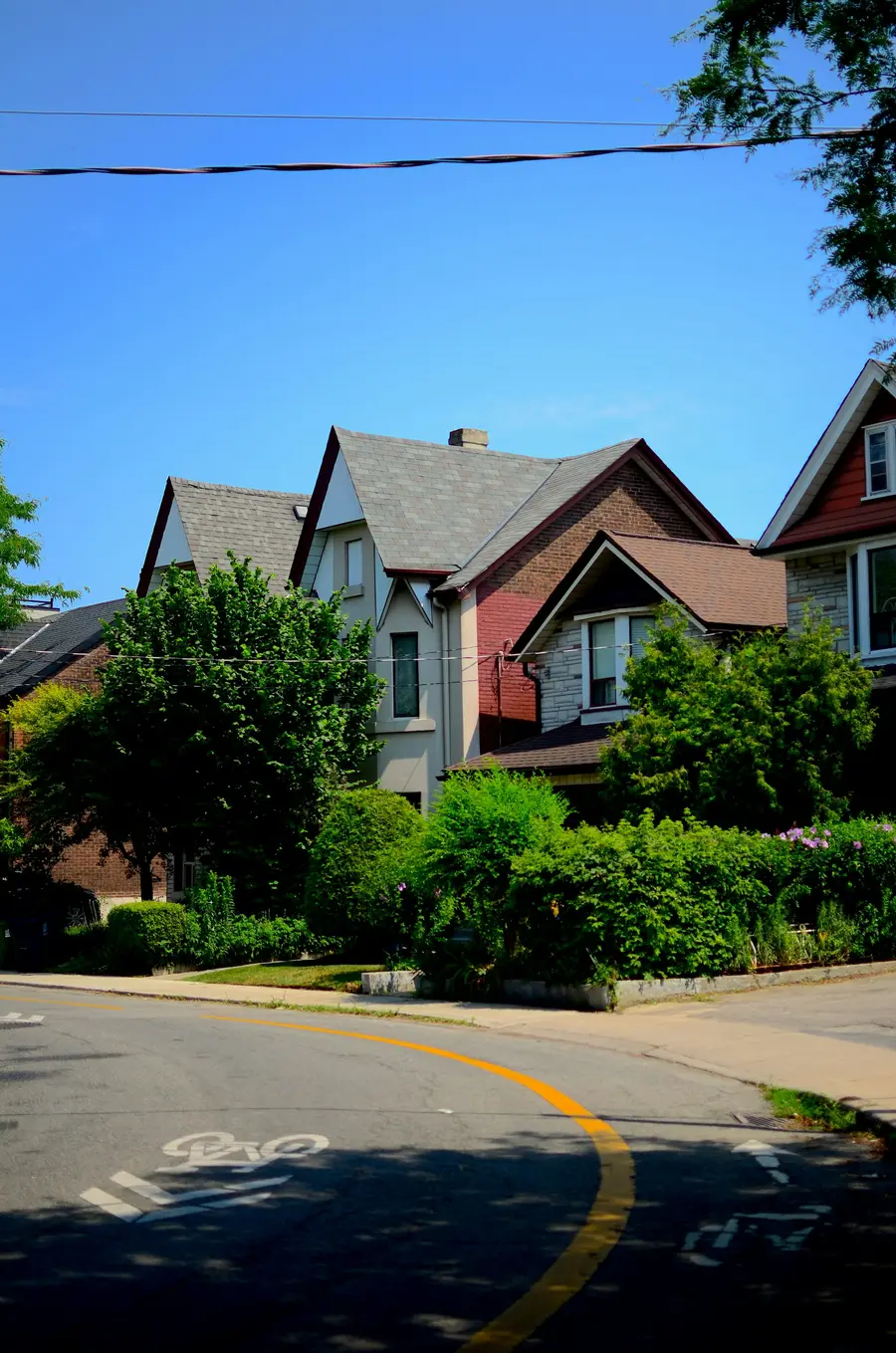
Tree-lined residential street with gabled houses in summer

Where we work

Every neighbourhood in Etobicoke

Etobicoke sits between the Humber River and Etobicoke Creek, with Mimico Creek running through the middle and Lake Ontario along the south. Houses near those valleys and the lakeshore sit closer to the water table, and much of the housing dates from the 1940s to the 1960s, when foundation drains were clay tile.

  • Mimico
  • New Toronto
  • Long Branch
  • Alderwood
  • Humber Bay
  • Stonegate-Queensway
  • Sunnylea
  • The Kingsway
  • Islington Village
  • Markland Wood
  • Eatonville
  • Eringate
All service areas
BusinessBasement Waterproofing Etobicoke ExpertBasement waterproofing in Etobicoke
Address210 Markland DrEtobicoke, ON M9C 1R2
Phone(647) 493-7357Answered 24 hours
HoursOpen 24 hours7 days a week
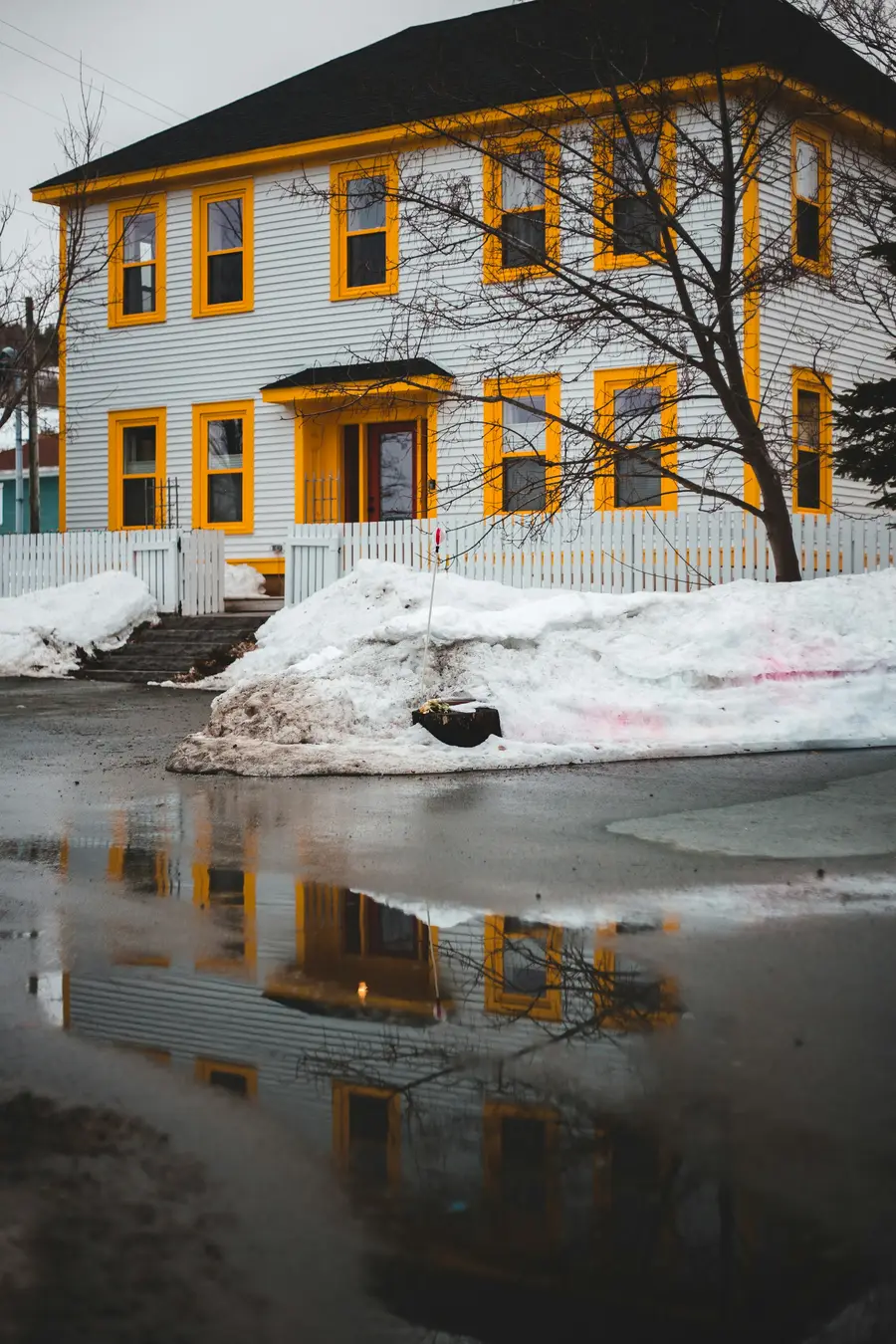
Melting snowbank and a large puddle in front of a house in early spring

City of Toronto subsidy

Toronto pays back up to 80% of a backwater valve and sump pump

The Basement Flooding Protection Subsidy Program covers a backwater valve, a sump pump and a battery backup, up to set maximums per property. We explain the conditions and give you the documents the application asks for.

How the subsidy works

Questions

Asked before almost every job

How much does basement waterproofing cost in Etobicoke?

The price depends on four things: how many metres of wall are treated, how deep the footing is, whether a machine can reach the wall, and what has to be removed and put back — a deck, interlock or a finished basement wall. That is why we look at the house first and then give you the scope and the price in writing.

Does the City of Toronto help pay for any of this?

Yes. The Basement Flooding Protection Subsidy Program pays back up to 80% of the invoiced cost of a backwater valve, a sump pump and a battery backup, within set maximums. The subsidy page lists the amounts and the conditions.

Interior or exterior waterproofing — which one do I need?

Exterior waterproofing stops water before it enters the wall, so it suits a wall that is wet across its whole height or a house with a failed weeping tile. Interior waterproofing collects water at the footing and pumps it out, so it suits water at the floor-wall joint and walls that cannot be reached from outside because of a driveway, a deck or a neighbouring house.

Water came up through the floor drain during a storm. Is that a waterproofing problem?

No — that is a sewer backup. During heavy rain the city sewer fills and pushes water back up the pipe that serves your house. The fix is a backwater valve on that pipe, not a membrane or a drain.

Can the work be done in winter?

Interior drainage, crack injection, sump pumps and backwater valves are installed inside the house, so they are done year-round. Exterior excavation depends on frost in the ground and is usually scheduled from spring to late autumn.

All questions and answers

Free assessment

Find out where the water is coming from

Send the form and we call you back to book a visit.

  • The visit and the written quote are free.
  • You are told if the fix is as small as extending a downspout.
  • No work is booked until you have the price in writing.

Request a call back

Tell us what you are seeing. We call back to arrange a visit.

Your details are used only to answer this request — see the privacy policy.

CallFree assessment