Weeping tile and window wells
Weeping tile is the drain pipe that runs around the footing of a house. When it clogs or collapses, groundwater builds up against the foundation and finds a way in. We inspect it, replace it and add drains to window wells that fill with water.
- Inspectionby camera
- New drainperforated pipe in clear stone
- Alsowindow well drains

Why old weeping tile fails
Most Etobicoke houses built from the 1940s to the 1960s have weeping tile made of short clay pipe sections laid end to end with open joints. Over decades soil washes into the joints, tree roots follow the water in, and sections shift or crack. A drain that is half full of silt still works in light rain and fails in exactly the storms and thaws that matter.
Signs the drain has stopped working
- Several walls are damp at the base, not one spot.
- The basement leaks mainly during the spring thaw or after days of steady rain.
- A sump pit connected to the weeping tile stays dry even when the ground is saturated.
- Mature trees stand within a few metres of the foundation.
How it is inspected and replaced
- Camera inspection. Where there is an access point — a sump pit or a cleanout — a camera is run through the drain to see whether it is silted, root-bound or collapsed, and where.
- Flushing, if the pipe is intact. A drain that is only silted can sometimes be cleared with water under pressure.
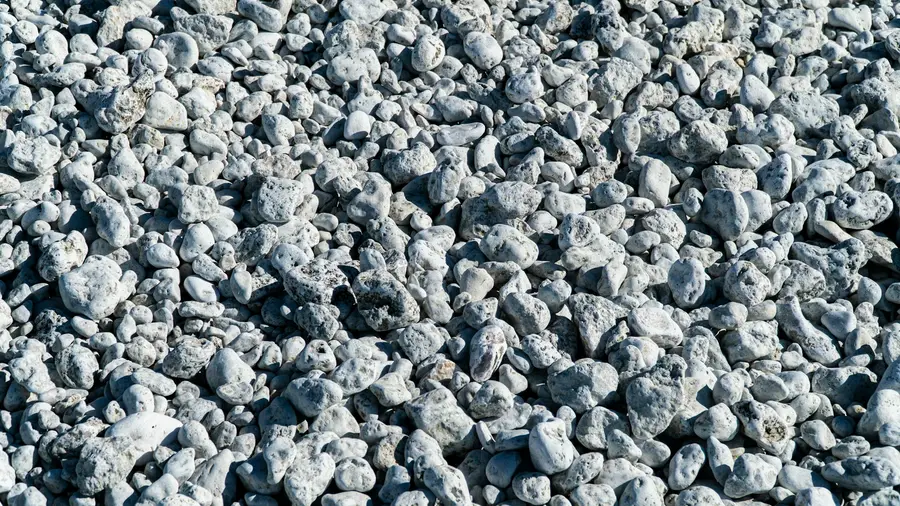
- Replacement, if it is broken. The wall is excavated to the footing, the old tile removed and new perforated pipe wrapped in filter cloth laid in clear stone. This is normally done together with exterior waterproofing, since the wall is already exposed.
- A proper outlet. The new drain runs to a sump pump rather than to the city sewer.
Window wells
A window well is a hole in the ground beside a basement window. Without a drain it fills during heavy rain and the water comes in around the window frame. The repair is a vertical drain pipe from the bottom of the well down to the weeping tile, surrounded by clear stone, with the well itself fixed tight to the wall and extending above the surrounding soil. A clear cover keeps out leaves and snow.
Disconnecting from the sewer: if your weeping tile drains into the city sewer, Toronto’s subsidy program pays up to $400 toward severing and capping that connection, in addition to the sump pump subsidy. See the subsidy page.
Questions about weeping tile and window wells
How do I find out what kind of weeping tile my house has?
The age of the house is the first clue: clay tile until roughly the 1960s, then rigid plastic, then the corrugated plastic pipe used today. A camera inspection confirms it and shows the condition.
Can weeping tile be replaced from inside?
Not replaced, but bypassed. An interior drainage system does the same job from the inside of the footing and is the usual answer when the outside cannot be excavated.
My window well has a drain but still fills up. Why?
The drain is probably blocked with leaves and soil at the top, or the weeping tile it empties into is itself clogged. We check both before suggesting anything.

Next step
Start with a camera inspection
Seeing inside the drain tells you whether it needs flushing, replacing or nothing at all.
Book a free assessment