Backwater valve installation
A backwater valve is a one-way flap on the pipe that connects your house to the city sewer. When the sewer overloads in a storm and starts flowing backwards, the flap closes and the sewage stays out of your basement.
- City subsidyup to $1,600 per valve
- Protects againstsewer backup
- Installedunder the basement floor
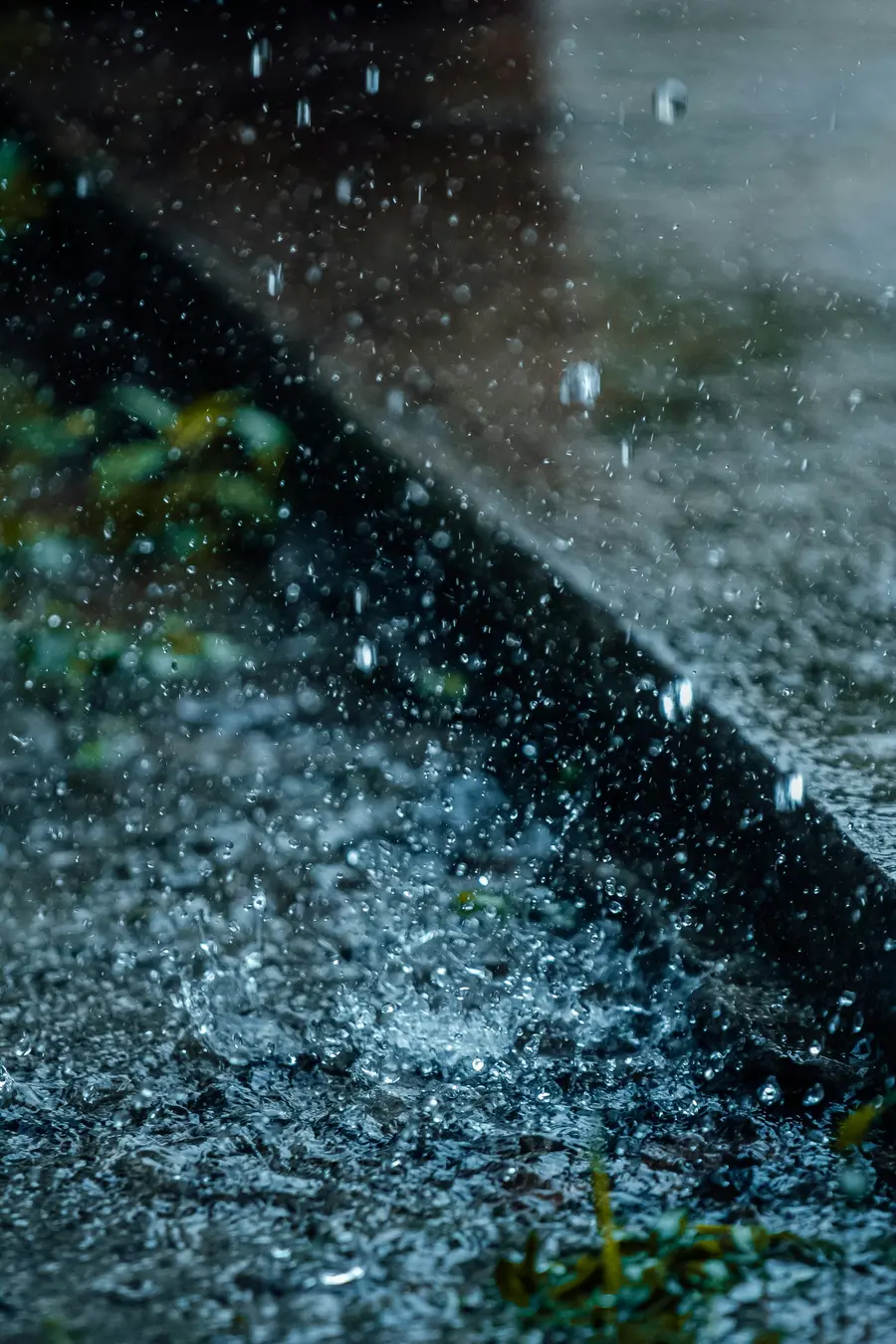
Sewer backup is not a waterproofing problem
If water comes out of the floor drain, the basement shower or the basement toilet during heavy rain, it is coming from the sewer, not through the walls. Membranes, drains and sump pumps do nothing against it. In the older parts of Toronto, storm water and sewage share pipes, and an intense downpour can fill them beyond capacity; the lowest opening connected to that pipe is the floor drain in someone's basement.
How the valve is installed
- The sewer line is located under the basement floor, usually near the front wall, and checked with a camera.
- A section of floor is opened and the pipe exposed.
- A piece of pipe is cut out and the valve body set in its place, downstream of every basement fixture so all of them are protected.
- An access box with a clear, removable lid is set flush with the floor so the flap can be inspected and cleaned.
- The floor is re-poured around the box.
What to know before you get one
- While the flap is closed, your own drains cannot empty either. During a severe storm, avoid running the washing machine, dishwasher or shower until it passes.
- The valve needs a look once or twice a year. Lift the lid, check that the flap moves freely and rinse away grease or debris that could hold it open.
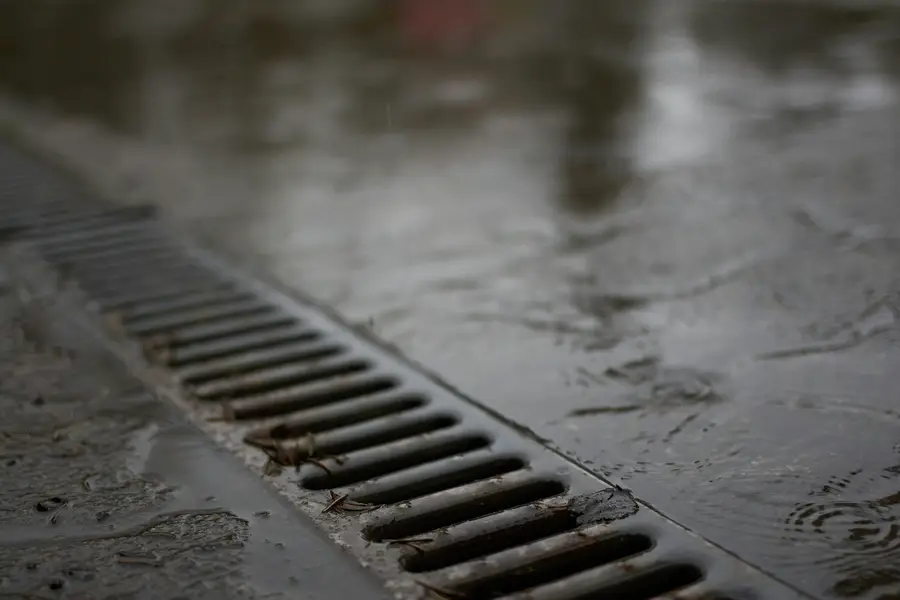
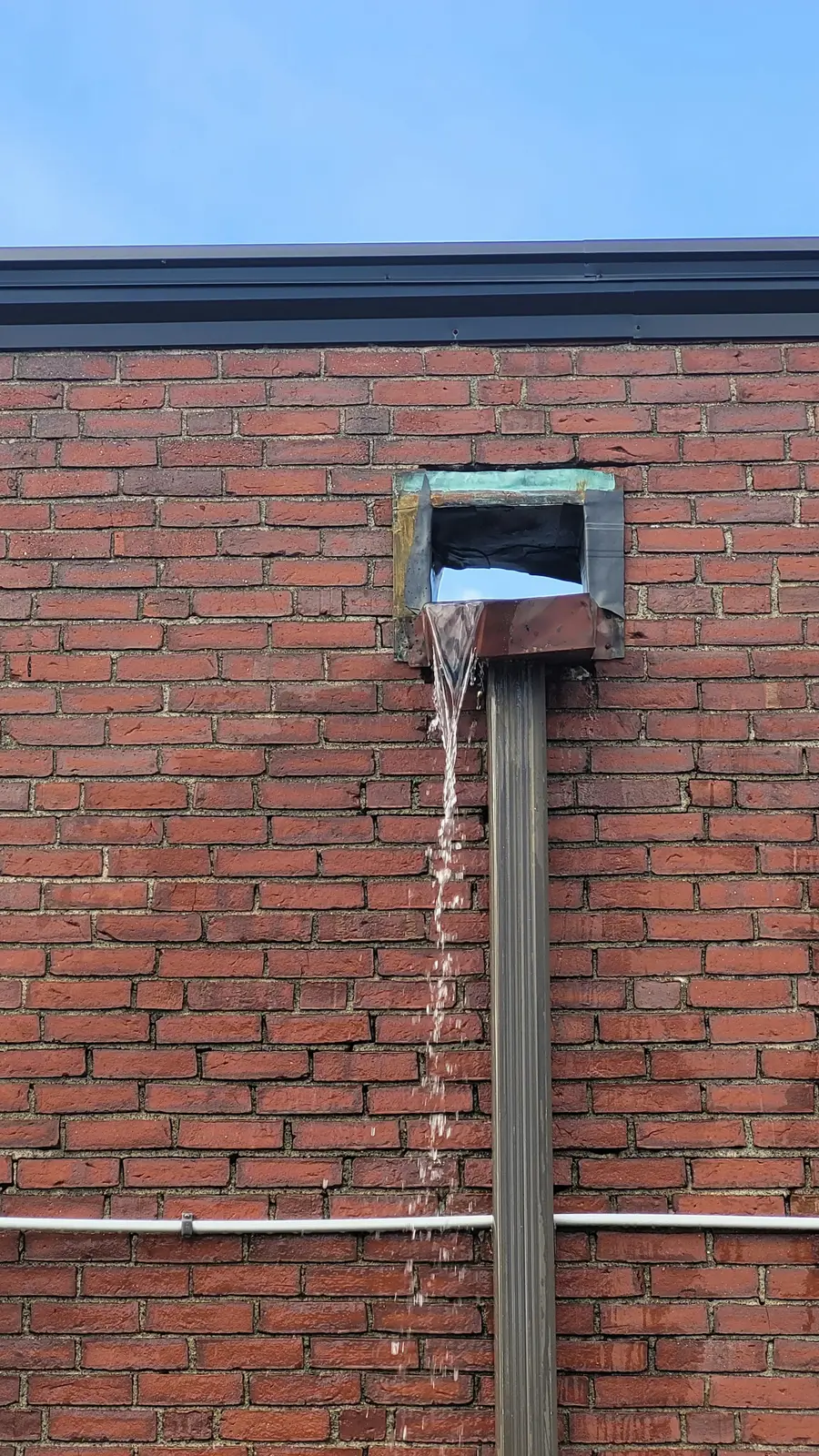
- Downspouts and weeping tile matter. If they drain into the pipe on the house side of the valve, they can flood the basement when the flap is shut. They are checked, and disconnected where needed, as part of the job.
- Tell your home insurer. Some insurers ask about a backwater valve when they quote sewer backup coverage.
City of Toronto subsidy: up to 80% of the invoiced cost of a backwater valve, to a maximum of $1,600 per valve for up to two valves. The installer must hold a City of Toronto business licence. Details are on the subsidy page.
Questions about backwater valves
How do I know whether I already have a backwater valve?
Look for a round or rectangular plastic cover, about 20–30 cm across, set flush in the basement floor — usually near the front of the house or close to the floor drain. A clear lid with a flap visible underneath is a backwater valve.
Does a backwater valve replace a sump pump?
No. The valve stops sewage coming back up the sewer pipe. The sump pump removes groundwater from around the foundation. They protect against different water, and the City’s subsidy covers both.
What should I do if the sewer has already backed up?
Keep out of the water — it is contaminated. Report the flooding to the City of Toronto by calling 311, photograph the damage for your insurer, and have the sewer line inspected by camera before a valve is installed.
Next step
Find out whether your house is exposed
We locate the sewer line, check for an existing valve and tell you what an installation would involve in your basement.
Book a free assessment